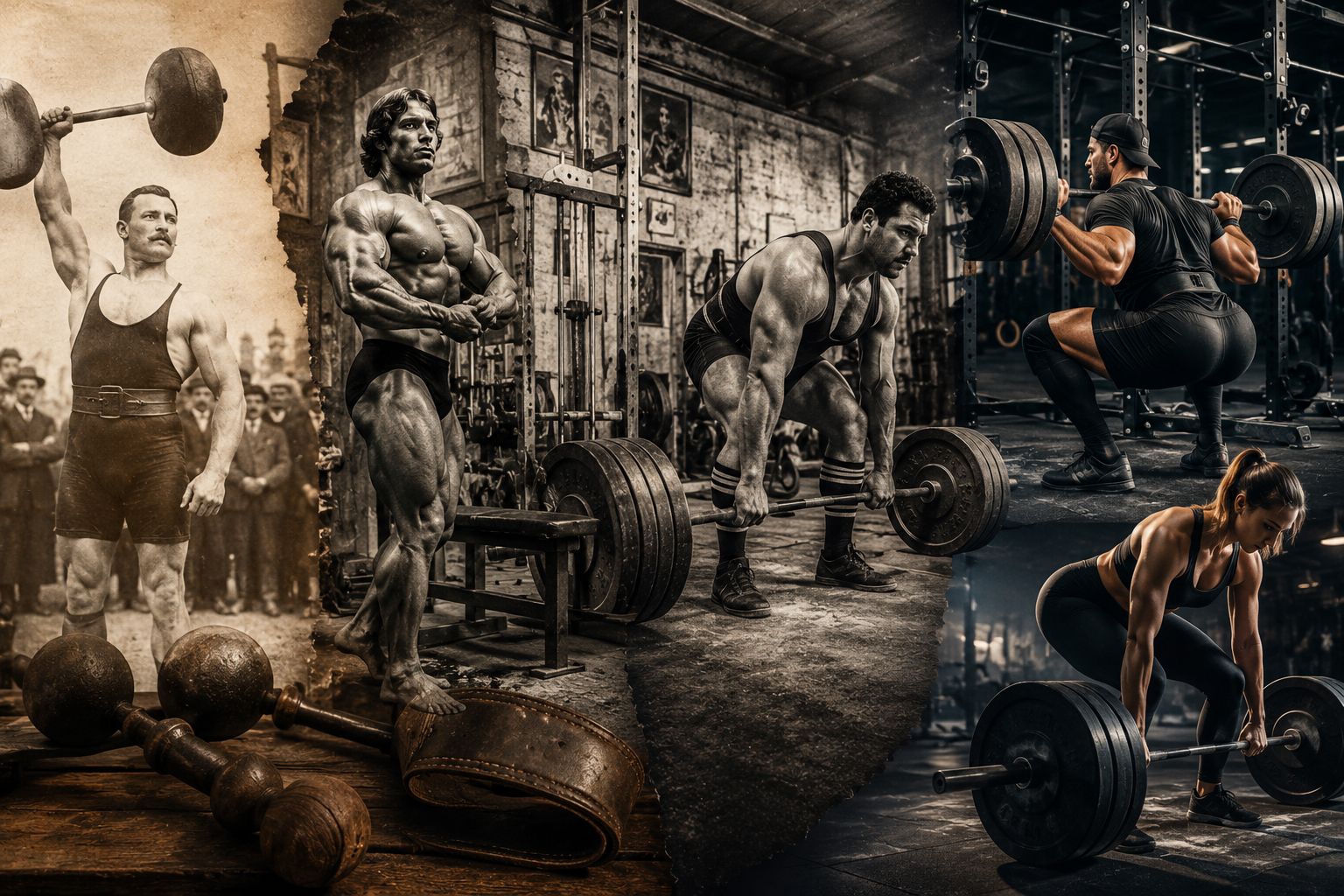
Introduction
Strength has fascinated humanity for centuries.
Long before modern gyms, fitness influencers, and advanced training equipment existed, people admired physical strength as a symbol of power, resilience, and capability. Across different civilizations, strong individuals were respected not only for their athletic abilities but also for their discipline and dedication.
Today, strength culture continues to thrive through gyms, powerlifting clubs, bodybuilding communities, weightlifting organizations, and millions of individuals committed to becoming stronger every day.
To understand modern training culture, it is important to explore its roots and discover how strength culture evolved from simple demonstrations of physical power into a global movement that influences millions of people worldwide.
The Origins of Strength Culture
The concept of strength training can be traced back thousands of years.
Ancient civilizations such as Greece, Egypt, China, and India valued physical development as an essential component of health, military readiness, and athletic performance.
Historical records suggest that early athletes used primitive resistance training methods, including:
- Carrying heavy stones
- Lifting sandbags
- Wrestling
- Bodyweight exercises
- Manual labor-based conditioning
In Ancient Greece, physical training was deeply connected to education and personal development.
Athletes competing in events such as the Olympic Games trained extensively to improve strength, endurance, and overall athletic ability.
Strength was not merely viewed as physical capability—it represented character and discipline.
The Era of Strongmen
By the late 1800s and early 1900s, strength culture entered a new phase with the rise of professional strongmen.
These performers traveled around the world demonstrating extraordinary feats of strength before live audiences.
Some common demonstrations included:
- Lifting enormous barbells
- Supporting heavy weights overhead
- Bending metal objects
- Carrying large stones
- Performing one-arm lifts
Strongmen became symbols of human potential and inspired countless individuals to pursue strength training.
This period helped popularize resistance training and introduced many people to structured physical development for the first time.
The Birth of Modern Barbells
As interest in strength training grew, equipment began to evolve.
Early training tools were often crude and difficult to standardize.
The development of adjustable barbells transformed the fitness landscape by allowing lifters to gradually increase resistance and track progress more effectively.
This innovation laid the foundation for many training methods still used today.
The barbell became one of the most important tools in strength culture and remains central to modern training programs.
The Rise of Physical Culture
During the early twentieth century, a movement known as Physical Culture gained popularity.
Physical Culture promoted:
- Strength development
- Overall health
- Athletic performance
- Proper nutrition
- Mental discipline
Rather than focusing solely on appearance, advocates emphasized balanced physical development and healthy living.
Training manuals, magazines, and public exhibitions helped spread these ideas worldwide.
This movement played a crucial role in shaping the values that continue to influence strength culture today.
The Golden Age of Bodybuilding
The 1960s and 1970s are often referred to as the Golden Era of Bodybuilding.
This period introduced a new generation of athletes who combined strength training with aesthetic development.
Many iconic gyms emerged during this time, becoming gathering places for individuals dedicated to physical improvement.
Training environments were often simple:
- Free weights
- Basic benches
- Squat racks
- Barbells
- Dumbbells
Despite limited equipment compared to modern facilities, these gyms produced some of the most influential figures in fitness history.
The atmosphere emphasized hard work, discipline, and community.
Many people today continue to admire the training philosophy of this era.
Old School Gym Culture
Old school gyms were very different from many commercial fitness centers seen today.
Their primary focus was performance rather than entertainment.
Common characteristics included:
- Heavy free weights
- Minimal distractions
- Simple equipment
- Strong training communities
- Emphasis on effort and consistency
The culture rewarded dedication rather than appearance.
Lifters respected individuals who trained hard, showed discipline, and continuously sought improvement.
Many aspects of old school gym culture remain highly respected within modern strength communities.
The Growth of Powerlifting and Weightlifting
As strength sports developed, competitive disciplines became more organized.
Two major forms of strength competition gained widespread popularity:
Olympic Weightlifting
Focused on:
- Snatch
- Clean and Jerk
Athletes demonstrated explosive power, speed, and technical precision.
Powerlifting
Focused on:
- Squat
- Bench Press
- Deadlift
Powerlifting emphasized maximum strength and introduced measurable standards for evaluating performance.
These sports helped establish strength training as both a recreational activity and a competitive pursuit.
The Fitness Boom of the 1980s and 1990s
Fitness experienced rapid growth during the 1980s and 1990s.
Commercial gyms became more accessible, introducing strength training to broader audiences.
New equipment and training methods emerged, including:
- Selectorized machines
- Cardiovascular equipment
- Group fitness programs
- Specialized strength training systems
While gym environments became more mainstream, strength culture continued to maintain its core values of discipline, effort, and self-improvement.
The Modern Strength Culture Movement
Today, strength culture has expanded far beyond traditional gym walls.
Technology and social media have transformed how people learn, train, and connect.
Modern strength communities include:
- Powerlifters
- Weightlifters
- Bodybuilders
- Functional fitness athletes
- Strength coaches
- Recreational lifters
Training knowledge is more accessible than ever before.
Individuals can learn from coaches, educational content, online communities, and experienced athletes from around the world.
Despite these advancements, the fundamental principles remain unchanged.
Progress still depends on:
- Consistency
- Discipline
- Patience
- Hard work
What Has Changed—and What Has Not
Modern training offers significant advantages:
What Has Changed
- Advanced equipment
- Scientific research
- Improved recovery strategies
- Better nutrition knowledge
- Global fitness communities
What Has Stayed the Same
- The value of discipline
- The importance of consistency
- Respect for hard work
- The pursuit of self-improvement
- The desire to become stronger
These timeless principles continue to define strength culture across generations.
Why Strength Culture Remains Relevant
Strength culture resonates with people because it offers something deeper than physical development.
It teaches valuable life lessons:
- Patience
- Accountability
- Resilience
- Discipline
- Confidence
The gym becomes a place where individuals challenge themselves and learn what they are capable of achieving through consistent effort.
Strength training provides measurable progress, but the mental and personal growth often become even more meaningful.
The Future of Strength Culture
As technology continues to evolve, training methods will undoubtedly change.
New tools, coaching techniques, and educational resources will continue shaping the fitness industry.
However, the foundation of strength culture is unlikely to change.
Future generations will still be inspired by:
- Hard work
- Dedication
- Personal growth
- Community
- The pursuit of strength
The equipment may evolve, but the mindset remains timeless.
Conclusion
The history of strength culture is a story of human determination, discipline, and the pursuit of improvement.
From ancient athletes lifting stones to modern lifters training with advanced equipment, the desire to become stronger has connected generations across centuries.
While training methods have changed dramatically, the values that define strength culture remain remarkably consistent.
Discipline, resilience, consistency, and community continue to inspire individuals around the world to challenge themselves and pursue lifelong growth.
Strength culture is not simply about lifting weights.
It is about developing the mindset required to overcome challenges, embrace progress, and become stronger in every aspect of life.
That is why its legacy continues to endure—from old school gyms to modern training facilities and beyond.
Leave a Reply